
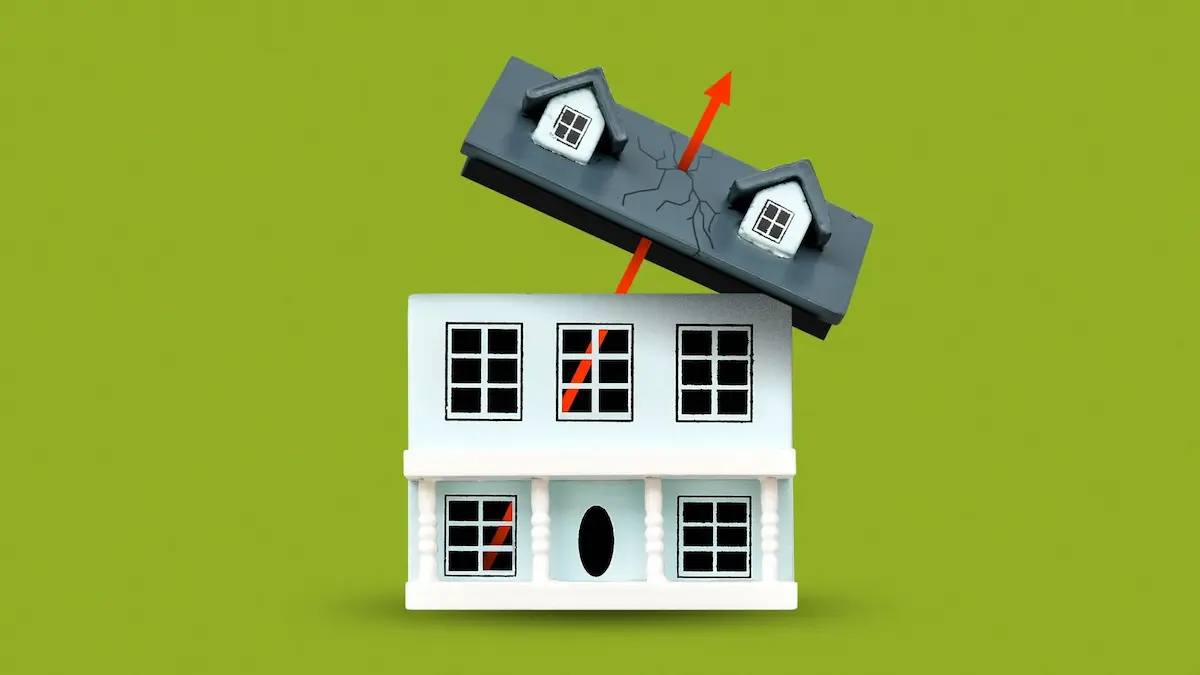
Homeowners in many coastal regions of the United States are facing another year of rising insurance premiums. From Florida and Louisiana to parts of Texas and the Carolinas, insurance costs for homes near the coast have increased significantly over the past several years.
For many households, the rising cost of home insurance is becoming one of the largest housing expenses after mortgage payments and property taxes. According to data from the Insurance Information Institute, insurance premiums in high-risk coastal areas have increased sharply as insurers adjust to rising claims and climate-related risks.
Experts say several factors are driving these price increases, including stronger storms, higher rebuilding costs, and changes in the insurance market.
The short answer
Home insurance premiums are rising in coastal states due to several key factors:
• Increased hurricane and storm damage risks
• Higher construction and rebuilding costs
• Insurance companies leaving high-risk markets
• Rising reinsurance costs for insurers
• State regulatory changes affecting pricing
Together, these trends are pushing insurance premiums higher for homeowners living in coastal regions.
Cause 1: Rising Hurricane and Storm Risks
One of the main reasons insurance premiums are increasing in coastal areas is the growing risk of hurricanes and severe storms.
Stronger storms can cause widespread damage to homes through wind, flooding, and storm surge. When insurers pay large numbers of claims after major storms, they often raise premiums to cover future risks.
According to research from the National Oceanic and Atmospheric Administration, the number of costly weather disasters in the United States has increased significantly over the past two decades.
As a result, insurance companies must adjust their pricing to reflect the potential cost of future claims.
Cause 2: Higher Construction and Rebuilding Costs
The cost of rebuilding homes has also risen in recent years.
Construction materials such as lumber, steel, and concrete have experienced price increases, while labor shortages in the construction industry have raised wages for skilled workers.
According to housing market data from the U.S. Census Bureau, construction costs remain elevated compared with levels seen earlier in the decade.
When rebuilding homes becomes more expensive, insurance companies must increase coverage limits and raise premiums to account for the higher replacement costs.
Cause 3: Insurance Companies Leaving High-Risk Markets
In some coastal states, several insurance companies have stopped offering new policies or reduced their presence in certain areas.
Insurers sometimes make these decisions when they believe the risk of large losses is too high.
Industry reports cited by The Wall Street Journal indicate that several insurers have scaled back operations in high-risk coastal regions in recent years.
When fewer companies are willing to offer coverage, homeowners have fewer choices and premiums can rise as competition decreases.
Cause 4: Rising Reinsurance Costs
Insurance companies also purchase their own form of protection called reinsurance, which helps cover large losses after disasters.
When global disaster losses increase, reinsurance costs also rise. Insurers typically pass these higher costs on to homeowners through increased premiums.
According to industry analysis from Swiss Re, global natural disaster losses have increased significantly, contributing to higher reinsurance prices in recent years.
These costs can influence insurance pricing even for homeowners who have never filed a claim.
Cause 5: Regulatory and Market Changes
State regulations also affect how insurance companies price policies.
In some states, regulators review and approve insurance rate increases before companies can implement them. Changes in these regulatory processes can influence how quickly premiums rise.
Policy changes related to disaster coverage, rebuilding requirements, and insurance market stability may also affect long-term pricing trends.
Experts note that balancing affordable coverage with financial stability for insurers remains a major challenge in coastal states.
What NOT to Assume
Homeowners often misunderstand why insurance premiums increase.
❌ Assuming higher premiums mean a homeowner filed too many claims
Premium increases often reflect regional risks rather than individual claims.
❌ Expecting prices to drop quickly after a quiet storm season
Insurance pricing is based on long-term risk assessments, not just one year of weather.
❌ Assuming all insurers charge similar rates
Different companies evaluate risk differently, which can result in large price differences.
What Homeowners Can Do
While rising insurance costs are largely outside individual control, homeowners can take steps to reduce potential increases.
Shopping for quotes from multiple insurance providers can sometimes reveal lower premiums. Some insurers also offer discounts for storm-resistant home improvements such as impact-resistant windows, reinforced roofing, or hurricane shutters.
Bundling home and auto insurance policies with the same provider may also reduce costs.
In high-risk regions, homeowners may also explore state-backed insurance programs that provide coverage when private insurers are limited.
The Bottom Line
Home insurance premiums are rising across many coastal states as insurers respond to increased disaster risks, higher rebuilding costs, and changing insurance market conditions.
According to the Insurance Information Institute, these trends are likely to continue shaping insurance pricing in coastal regions for the foreseeable future.
For homeowners, understanding the reasons behind these increases can help them make better decisions when choosing coverage and preparing for long-term housing costs.