
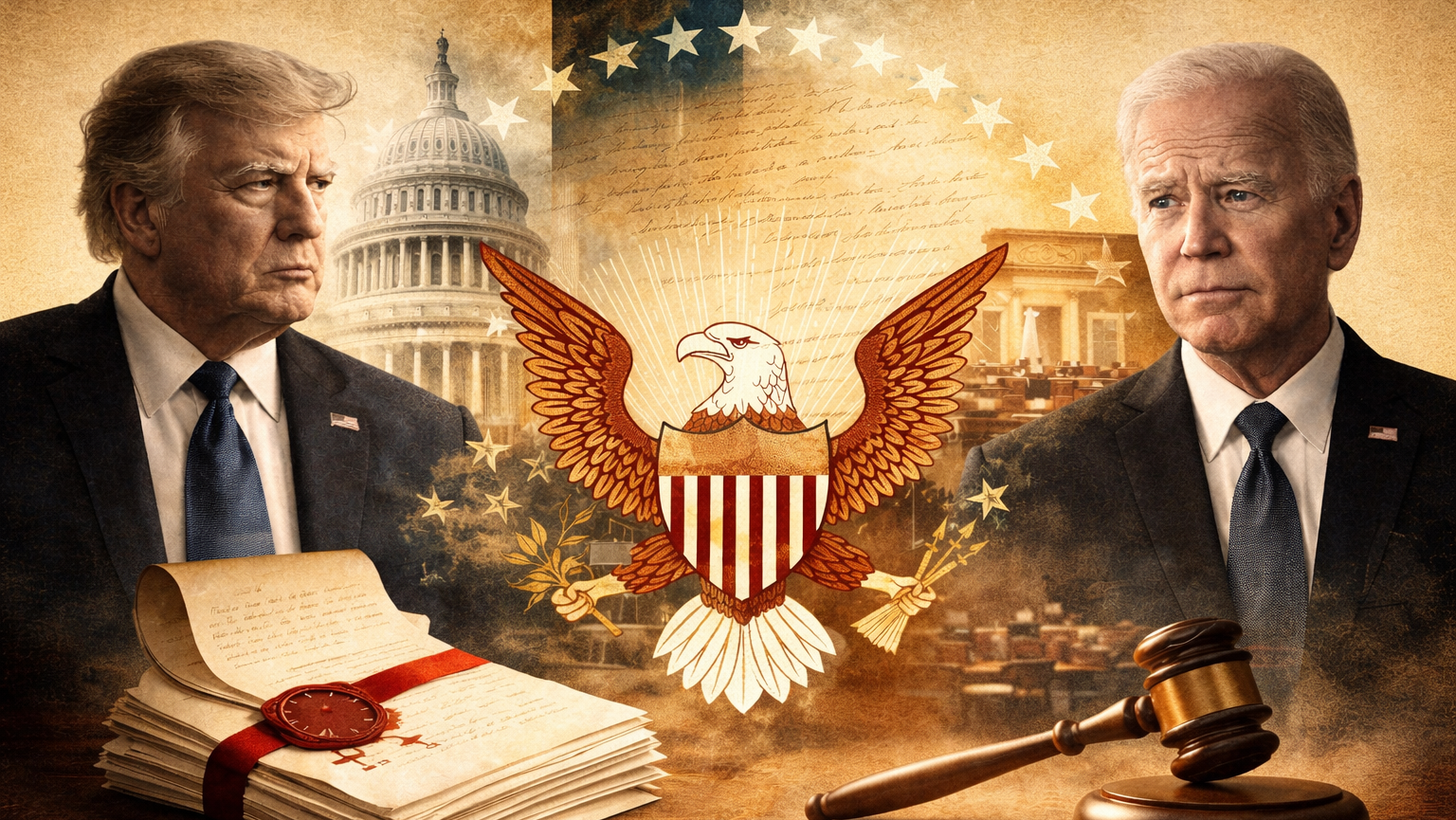
A legal battle that most Americans never expected to see just played out in real time — and it ended in a stunning reversal. On February 3, 2026, Bill and Hillary Clinton agreed to testify before Congress about their knowledge of Jeffrey Epstein after months of resistance, caving only hours before facing a historic contempt vote. The showdown reignited one of the most contested and misunderstood powers in American politics: executive privilege. With the State of the Union 2026 putting presidential authority back under the spotlight, here’s what every American needs to know about this secretive legal tool — and the hard limits the Supreme Court has placed on it.
What Executive Privilege Actually Is
Executive privilege is the legal right of a U.S. president to keep certain communications confidential — shielding them from Congress, the courts, and the public. The idea is straightforward: if a president’s advisers fear their candid advice could become public at any moment, they might hold back, giving the president worse counsel at the worst possible times.
The privilege is justified by the president’s need to receive frank advice from advisers, to protect national security, and to check and balance the subpoena power of Congress and the courts. Critically, although executive privilege has no textual basis in the Constitution, it is understood to flow from the principle of separation of powers.
The term itself only entered common use in the 1950s, but presidents have been asserting versions of it since George Washington refused to hand over treaty documents to the House of Representatives in 1796.
The Supreme Court Drew a Hard Line in 1974
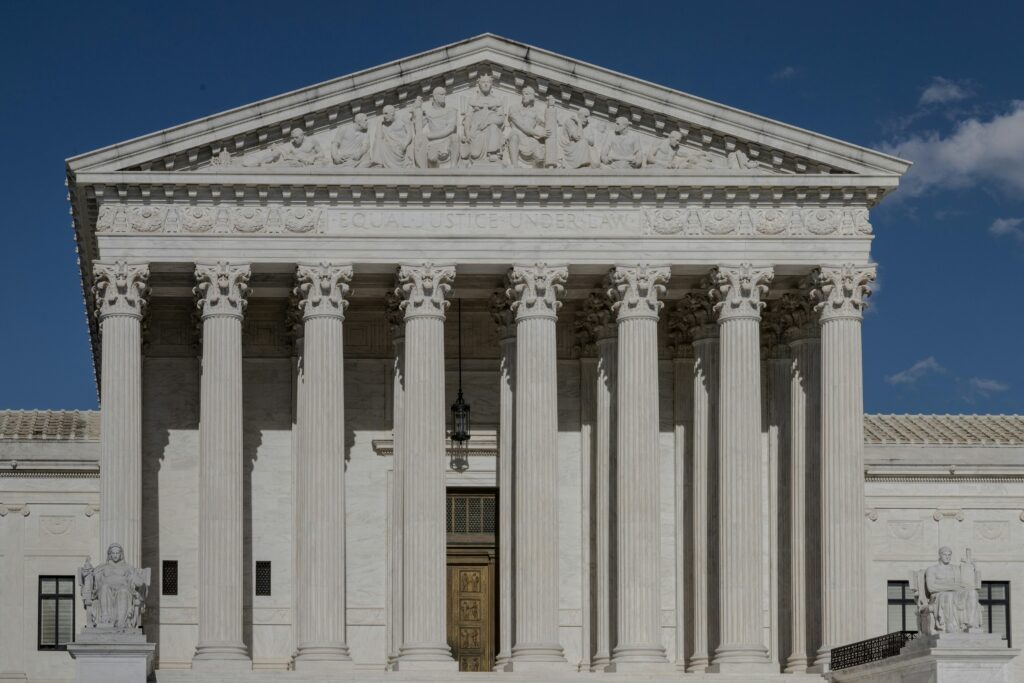
The most important moment in the history of executive privilege came during the Watergate scandal. President Richard Nixon claimed the privilege to withhold tape recordings of White House conversations from a federal special prosecutor. The Supreme Court ruled against him 8-0.
In the landmark case United States v. Nixon (1974), the Court ruled that the president may not give privileged status to information that is instrumental to a criminal investigation. The decision forced Nixon to hand over the tapes — and within days, he resigned.
The Nixon ruling established the foundational rule that still governs executive privilege today: it exists, it is constitutionally legitimate, but it is not absolute. A president cannot use it as a blanket shield against criminal accountability.
The Clinton Subpoena: A 2026 Case Study in How Privilege Breaks Down
The February 2026 standoff over the Clinton subpoena is a textbook example of how executive privilege works — and when it doesn’t.
Bill and Hillary Clinton spent months resisting congressional subpoenas. Their lawyers proposed alternatives, argued the subpoena didn’t follow proper procedures, and offered to testify only about certain topics for a limited time. But when House Republicans announced they had the votes to recommend holding both Clintons in contempt — a move that would have been the first time a former president faced such congressional action — the Clintons gave in completely within hours of the deadline.
Why did the threat work this time? Whether contempt power forces compliance depends more on politics than law — which party is in power, and whether the witness has a sitting president protecting them. As former officials no longer shielded by the White House, the Clintons faced real legal exposure. The lesson: executive privilege is most powerful when backed by a sitting president, and it erodes fast once that protection is gone.
Who Can Actually Invoke It — And Who Cannot
Only a sitting president can formally invoke executive privilege. But the doctrine has fuzzy edges that have been tested repeatedly in recent years:
- Sitting presidents can invoke it to protect internal deliberations, national security communications, and advice from senior advisers
- Former presidents retain a weaker version of the privilege over communications made while in office — but courts have repeatedly ruled it can be overridden by a current president’s decision not to protect those records
- Advisers and cabinet members can assert it only on a president’s behalf — not on their own
- Vice presidents occupy a legal gray area, as seen when former Vice President Mike Pence was subpoenaed by special counsel Jack Smith and ultimately a federal judge ordered him to comply
Steve Bannon and Peter Navarro both refused to comply with congressional subpoenas claiming executive privilege. Both were prosecuted — Bannon was convicted and sentenced to four months in prison. Their cases set a clear precedent: claiming a former president told you to assert privilege is not enough to avoid legal consequences.
What Happens When a President Invokes It and Congress Disagrees
When a president asserts executive privilege against a congressional subpoena, Congress has several options — none of them quick or easy:
- Negotiate a compromise — the most common outcome by far, according to the Congressional Research Service
- Vote to hold the witness in contempt of Congress — a formal rebuke that carries political weight
- Refer the matter to the Justice Department for criminal prosecution — though the DOJ has historically declined to prosecute when a sitting president’s privilege claim is at stake
- File a civil lawsuit to force compliance — a process that can drag through courts for years
According to AP News, most executive privilege disputes are ultimately resolved through political negotiation, not courtrooms — making the outcome heavily dependent on the makeup of Congress and who controls the White House at any given moment.
Why It Matters More Than Ever
Executive privilege sits at the heart of the balance of power between the presidency and Congress. Used responsibly, it protects national security and ensures presidents can get honest advice. Used broadly, it becomes a tool to obstruct legitimate oversight and shield misconduct from accountability.
As the battles of 2025 and 2026 have made clear, the line between the two is never drawn by the Constitution alone — it is drawn, case by case, in courtrooms and committee rooms, often with enormous political stakes attached.
Sources: AP News, congress.gov, SCOTUSblog, GovFacts, U.S. Supreme Court — United States v. Nixon, 418 U.S. 683 (1974).
If you noticed an error or have a tip, please contact us via our Contact page.